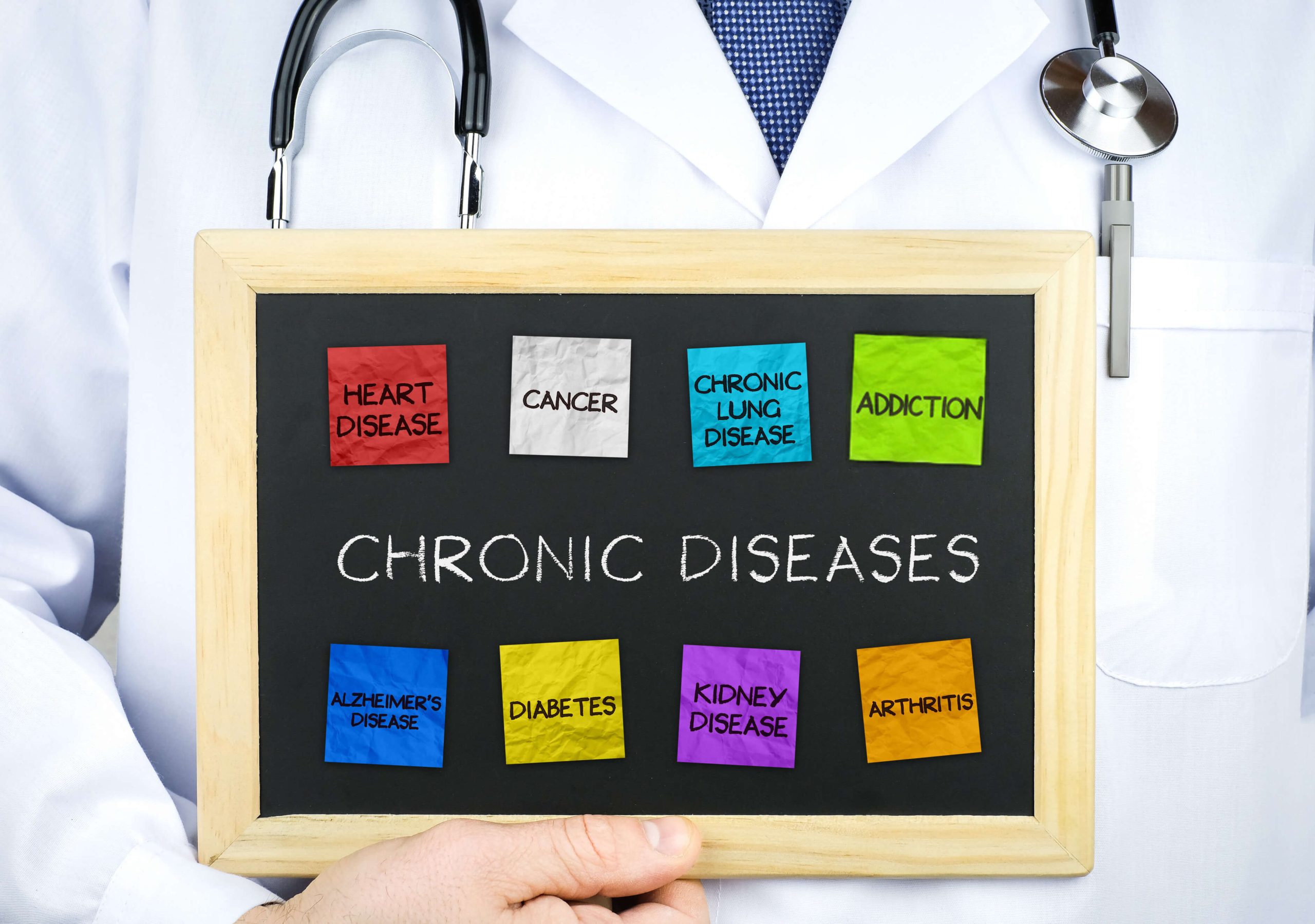
In January 2026, the White House issued a national policy statement affirming what decades of neuroscience and medical research have already established: Addiction is a chronic, treatable disease, with relapse rates similar to other chronic medical conditions such as diabetes or hypertension. [behavehealth.com]
This recognition is essential. It reframes addiction not as a behavioral failure, but as a long‑term medical condition involving:
- Alterations in brain circuitry
- Genetic and environmental interactions
- Chronic disease progression
- Predictable relapse patterns, just like other chronic illnesses
Just as patients with asthma, congestive heart failure, or diabetes require ongoing medical oversight, individuals with substance use disorders (SUDs) require structured, longitudinal care to reach and maintain stability. A short‑term or exclusively psychosocial approach is rarely sufficient for a chronic medical illness.
This chronic‑disease framing is the cornerstone of the First Step Medical Model. Clients entering residential SUD treatment frequently present with:
- Hypertension, diabetes, cardiac illnesses
- Respiratory disorders such as COPD or asthma
- Infectious diseases (HCV, HIV, TB)
- Neurological conditions, chronic pain, or malnutrition
These untreated medical conditions directly impair a client’s ability to participate meaningfully in psychotherapy or group interventions. Research consistently shows:
- Psychosocial treatment is effective only when clients are medically stable, cognitively clear, and physically capable of sustained engagement.
(ASAM, SAMHSA, Recovery Research Institute findings) - Untreated chronic medical conditions can interfere with engagement in substance use disorder treatment and are associated with higher rates of relapse, increased emergency department utilization, reduced retention, and more frequent readmissions to higher levels of care. Addressing these co-occurring health needs is an important component of effective, comprehensive treatment.
At First Step CRC, medical and psychosocial services are delivered concurrently, allowing individuals to receive care for co-occurring health conditions while actively participating in counseling and recovery programming.